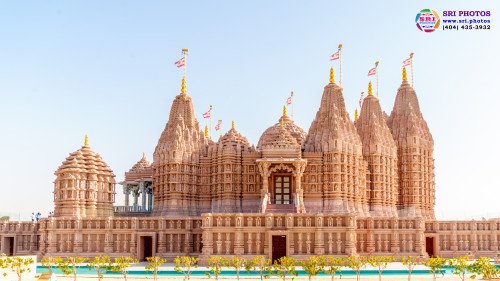
BAPS Hindu Mandir, Abu Dhabi
The BAPS Hindu Mandir Abu Dhabi is the first traditional Hindu stone temple in the United Arab Emirates and the largest Hindu temple in the Middle East. Inaugurated on 14 February 2024 by Indian Prime Minister Narendra Modi and UAE President Sheikh Mohamed bin Zayed Al Nahyan, the temple is located in Abu Mureikha, approximately 30 km from Abu Dhabi city center, on a 27-acre site. Built entirely of white marble and pink sandstone, the mandir is a masterpiece of traditional Hindu architecture and a symbol of India-UAE friendship and cultural harmony.
Historical and Cultural Importance
The idea for the temple originated in 2015 during a meeting between the then UAE Crown Prince Sheikh Mohamed bin Zayed and senior BAPS swamis. The UAE government provided the land and all necessary permissions, reflecting its commitment to religious tolerance and multiculturalism. Construction began in November 2018 under the leadership of the BAPS Swaminarayan Sanstha, a global Hindu organization known for building over 100 traditional stone temples worldwide.
The mandir was completed in just over five years—a remarkably short period for such a large-scale project—thanks to the use of modern technology alongside traditional craftsmanship. Over 1,500 artisans from India worked on-site, carving every stone by hand according to ancient Shilpa Shastra texts. The temple is dedicated to Bhagwan Swaminarayan, Bhagwan Krishna, Bhagwan Radha, Bhagwan Ram, Sita Mata, Lakshman, Hanuman, and other deities, and it also houses shrines for Lord Shiva, Lord Ganesha, and other Hindu deities. The mandir stands as a landmark of religious freedom in the UAE and represents the growing Indian diaspora in the Gulf, where over 3.5 million Indians reside.
Architectural Significance
The temple follows the traditional Hindu Nagara style, adapted to the desert climate with modern engineering.
01. Structure and Materials
The mandir is constructed from 40,000 cubic meters of white marble (from Italy) and pink sandstone (from Rajasthan), with no steel or concrete used in the visible structure. The main shikhara rises 54 meters, flanked by six smaller shikharas, all intricately carved with floral motifs, deities and mythological scenes.
02. Carvings and Ornamentation
More than 40,000 carved stone pieces cover the temple, depicting scenes from the Ramayana, Mahabharata, Bhagavata Purana and Swaminarayan history. The sanctum (garbhagriha) houses seven murtis: Bhagwan Swaminarayan with Radha-Krishna, Ram-Sita-Lakshman-Hanuman, and Shiva-Parvati. The ceiling of the main hall features a 35-metre-wide lotus dome with 1,000 lotus petals, symbolizing purity.
03. Unique Features
- The temple is earthquake-resistant and designed to withstand extreme desert temperatures (up to 50°C).
- A 1,200-square-metre water body (kund) surrounds the mandir, reflecting the architecture and providing cooling.
- The complex includes a 1,000-seat assembly hall, a vegetarian restaurant, and landscaped gardens with over 10,000 plants and trees.
04. Sustainability
The mandir uses solar panels, water recycling, and energy-efficient lighting, aligning with the UAE’s sustainability goals.
Present Status and Visitor Experience
The BAPS Hindu Mandir Abu Dhabi is open to visitors of all faiths and nationalities, with free entry and guided tours available. Visitors must dress modestly, remove footwear, and maintain silence inside the sanctum. The temple complex is open daily from 9 a.m. to 8 p.m., with aarti performed six times a day. A typical visit begins with a walk through the gardens, followed by darshan of the murtis in the main sanctum. The intricate carvings, cool marble interiors and peaceful atmosphere create a profound spiritual experience. The temple also hosts cultural events, festivals and educational programs.
The BAPS Hindu Mandir Abu Dhabi is more than a place of worship—it is a testament to cultural diplomacy, architectural excellence and the shared values of harmony and tolerance between India and the UAE. Its magnificent spires rising from the desert sands symbolize a new chapter of Hindu tradition in the modern Gulf region.
Photography by Suresh K Volam | Sri Photos : https://www.sri.photos