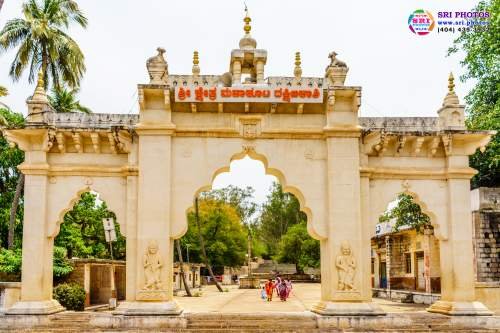
Sri Kshetra Mahakuteswar Temple, Mahakuta
Welcome to Sri Kshetra Mahakuteswar Temple, Mahakuta – an ancient sanctuary of Lord Shiva nestled in the quiet folds of Karnataka’s Badami region. Allow me to take you through a journey that bridges centuries of devotion, royal patronage, and deep-rooted mythology. Dedicated to Lord Siva, this is considered as Dakshina Kasi.
Location and Setting
Located about 14 km southeast of Badami in the Bagalkot district, Mahakuta sits tucked within a serene grove of mango and banyan trees. At the heart of the temple complex is a sacred spring-fed tank known as the Vishnu Pushkarni, or Papavinasha Tirtha—a spiritual site where pilgrims bathe to cleanse themselves of sins. The natural spring flows gently through stone channels and even beneath the main sanctum itself, symbolizing divine purity.
Architecture and Layout
Mahakuteswar Temple is a fine example of Early Chalukyan architecture, dating back to the 6th–7th century CE. It showcases a unique blend of Dravidian and Nagara styles, with modest but graceful towers (shikharas), pillared mandapas, and intricately carved doorways. The main shrine houses the Mahakuteshwara Linga, a sacred symbol of Lord Shiva. Surrounding it are several smaller shrines dedicated to various aspects of Shiva such as Mallikarjuna, Bhimeshwara, Sangameshwara, and Kshiralinga. Together, they form a sacred complex that has served as a center of Shaiva worship for well over a millennium. A fascinating feature is the spring-fed stream that flows beneath the Linga, cooling the sanctum and enhancing the spiritual aura. The temple tank, still used for ritual bathing, reflects both architectural and natural beauty.
Historical Importance
Our historical window into Mahakuta comes from the Mahakuta Pillar Inscription, a crucial record dated to around 595 CE. This inscription credits Mangalesha, a Chalukya king and brother of Pulakeshin I, with commissioning the Mahakuteshwara temple. It speaks of land grants made for temple upkeep and documents the dynastic lineage and conquests of the Early Chalukyas. This makes Mahakuta not just a temple, but a historical anchor—linking religious, political, and cultural developments of the Deccan in the early medieval period.
Mythological Significance
Mythologically, Mahakuta is said to have been blessed by the Sapta Rishis (seven great sages). Legends say they performed penance here and were blessed by Lord Shiva, who manifested as Mahakuteshwara. The name “Mahakuta” is believed to derive from "Maha" (great) and "Kuta" (assembly), referring to this divine gathering. Some traditions also connect the site to Lord Rama, who is said to have worshipped here during his exile, and to legends surrounding the Atma-Linga associated with Ravana and Gokarna. The temple’s ever-flowing spring is attributed to River Ganga herself, who is believed to have manifested here to purify the land. To this day, the sacred tank remains a vital element of worship, especially during the Mahakuta Jathre, a vibrant festival held annually in February–March. Key Features to See:
- Main Shrine (Garbhagriha): With its unique spring running beneath the Shiva Linga.
- Vishnu Pushkarni Tank: The centerpiece of ritual bathing and spiritual cleansing.
- Sculpted Dvarapalas: Guardian figures with tridents and matted locks at the sanctum entrance.
- Smaller Shrines: Each with its own character and spiritual significance.
Living Traditions and Rituals
Despite its age, Mahakuta remains a living temple, with daily pujas, abhishekas, and chanting of Vedic hymns. Local priests, descended from lineages of temple caretakers, perform traditional Shaivite rituals. During the Mahakuta Jathre, the temple comes alive with thousands of pilgrims, folk dancers, and ceremonial processions. Devotees still circumambulate the ancient banyan and mango trees, tying threads and whispering prayers to fulfill wishes. This vibrant spiritual life has ensured Mahakuta’s relevance through centuries.
A Sacred Haven Frozen in Time
As our visit comes to an end, take a moment to absorb the atmosphere—the rustle of leaves, the steady flow of sacred waters, and the faint echoes of conch shells and temple bells. Sri Kshetra Mahakuteswar Temple is more than just stone and scripture. It’s a living legacy—of kings and sages, gods and devotees, and the enduring spirit of the sacred Deccan.
Photography by Suresh K Volam | Sri Photos : https://www.sri.photos